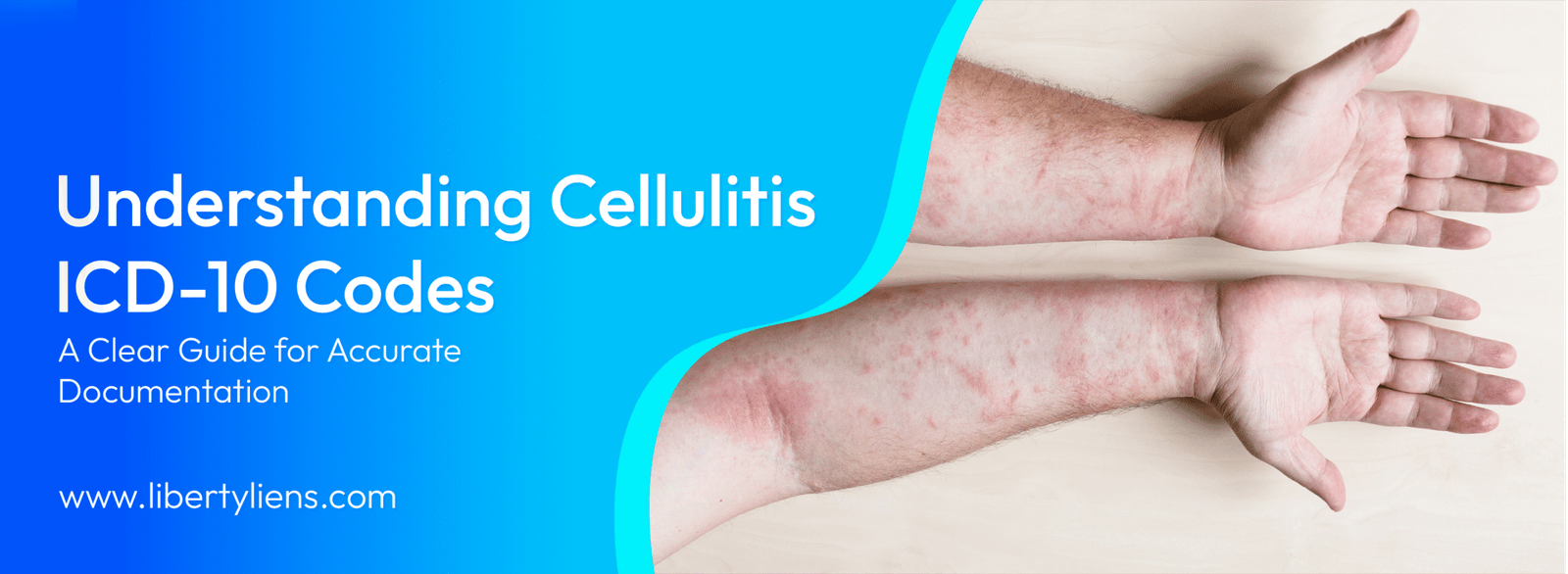
Cellulitis is a common skin infection that can range from mild redness to serious swelling and pain. Because the condition can appear in different parts of the body, choosing the right ICD-10 code is important for accurate documentation and proper medical billing. However, many healthcare professionals still find cellulitis coding confusing.
This guide explains cellulitis ICD-10 codes, helping you quickly understand which code to use and when. Whether you are a medical student, new coder, or experienced provider, this introduction will make cellulitis documentation easier and more accurate.
What Is Cellulitis?
Cellulitis is a common bacterial skin infection that affects the deeper layers of the skin, including the dermis and subcutaneous tissue. Streptococcus or Staphylococcus are two common bacteria responsible for cellulitis. These bacteria enter the skin through openings such as a cut, scratch, bite, or break in the skin barrier.
Key Features of Cellulitis
- Redness of the skin
- Swelling
- Warmth in the affected area
- Pain or tenderness
- Sometimes fever or chills
Where it Occurs
Cellulitis can appear anywhere on the body, but it is most commonly found on the:
- Legs
- Arms
- Face
What Is the ICD-10 Code for Cellulitis?
In the ICD-10-CM (International Classification of Diseases, 10th Revision, Clinical Modification), cellulitis is reported under the chapter XII “Diseases of the skin and subcutaneous tissues”.The cellulitis codes are grouped under the category L03, which covers cellulitis and acute lymphangitis. All specific cellulitis codes fall within this category based on the affected body site. The general ICD-10 code for cellulitis is L03.9, which represents Cellulitis, unspecified
However, documentation should always be as specific as possible to identify the site of infection, such as the leg, foot, face, or trunk.
Common ICD-10 Codes for Cellulitis
Here are the most common breakdowns of ICD-10 codes based on location.
1. Unspecified Cellulitis
- L03.90 Cellulitis, unspecified
When the infection site isn’t clearly identified in the documentation, health professionals use the unspecified code. However, this should be temporary. It’s always best to update the record once the exact location is confirmed.
2. Cellulitis of the Leg and Lower Extremities
Since cellulitis often affects the legs, these are among the most frequently used codes.
| Condition | ICD-10 Codes | Description |
| Cellulitis of the right lower limb | L03.115 | Infection involving the skin and soft tissue of the right leg or foot. Use for any cellulitis affecting the right lower extremity. |
| Cellulitis of the left lower limb | L03.116 | Infection of the left leg or foot, commonly following a wound, insect bite, or ulcer. |
| Bilateral lower extremity cellulitis | L03.119 | Used when cellulitis affects both legs or when documentation only states: lower extremity cellulitis without specifying a side. |
3. Cellulitis of the Upper Extremity (Arm and Hand)
Cellulitis can affect the arms and hands, often after small cuts, insect bites, or IV site infections. While less common than lower-limb cases, upper-extremity cellulitis should still be coded precisely.
| Condition | ICD-10 Codes | Description |
| Right upper limb cellulitis | L03.113 | Infection of the right arm or hand, often following a cut, bite, or IV insertion. |
| Left upper limb cellulitis | L03.114 | Infection of the left arm or hand, presenting with redness, warmth, and swelling. |
4. Cellulitis of the Face
Facial cellulitis refers to a bacterial infection of the skin and underlying tissues of the face.
| Condition | ICD-10 Codes | Description |
| Facial Cellulitis | L03.211 | Bacterial infection involving the skin and soft tissue of the face. Typically caused by minor skin trauma, acne, or dental infections. Presents with redness, warmth, and swelling of the facial area. |
5. Abdominal Wall and Trunk Cellulitis
Beyond the face and limbs, cellulitis can also appear on the abdomen or chest wall. These cases frequently develop after surgery, trauma, or irritation near wounds or sutures.
| Condition | ICD-10 Codes | Description |
| Abdominal wall cellulitis | L03.311 | Bacterial infection of the abdominal skin and soft tissue, often seen after surgery or in areas with chronic irritation. |
| Chest wall cellulitis | L03.313 | Infection involving the thoracic wall or chest area. It may occur following trauma, surgical procedures, or infections near the breast tissue. |
6.Periorbital (Preseptal) Cellulitis
Just above the face, infections can occur around the eyes. Periorbital cellulitis, also known as preseptal cellulitis, involves the eyelid and nearby tissues, the eye socket itself.
| Condition | ICD-10 Codes | Description |
| Periorbital (Preseptal) Cellulitis | L03.213 | Infection involving the eyelid and surrounding tissues of the eye, without orbital involvement. Often presents with eyelid redness, tenderness, and mild swelling. |
As you can see, ICD-10 provides specific codes for cellulitis based on the exact location of the infection, from the limbs and face to the trunk. Choosing the correct code isn’t just about following guidelines; it’s about ensuring clarity in documentation, accurate billing, and effective patient care.
Each code tells a unique clinical story describing where the infection occurred, how severe it may be, and what kind of treatment a patient might need.
Health Conditions That Can Make Cellulitis Worse
Cellulitis doesn’t always appear on its own. In many cases, it’s linked to other health conditions that make the skin weaker or slow down the body’s ability to heal. Knowing about these related conditions and documenting them properly helps providers give the best care and use the right cellulitis ICD-10 codes.
1. Diabetes
People with diabetes are more likely to get cellulitis, especially on the legs and feet. High blood sugar can damage blood vessels and nerves, which means cuts and sores take longer to heal. When that happens, bacteria can easily get in and cause infection.
2. Poor Circulation or Swelling (Lymphedema)
Conditions like poor blood flow or chronic leg swelling can make cellulitis come back again and again. When the skin stretches or stays swollen, it becomes fragile and more likely to break. That small opening gives bacteria a chance to enter.
Documenting swelling or circulation issues helps providers understand the bigger picture and create long-term prevention plans.
3. Obesity and Skin Problems
People who are overweight or who have skin conditions like eczema, fungal infections, or athlete’s foot may also be at higher risk. These issues can cause cracks or inflammation that let bacteria in.
Why Does Accurate ICD-10 Cellulitis Coding Matter?
Accurate ICD-10 coding for cellulitis isn’t just about good record-keeping. It helps patients get the right treatment and ensures providers are paid correctly. Using the correct cellulitis code also gives a clearer picture of the patient’s condition, which leads to
1. Claim Denial Management
Accurate ICD-10 cellulitis codes are essential for effective claim denial management because they help prevent coding errors, reduce the chance of denials, and support smoother, timely reimbursement.
2. Better Wound Care Management
Precise ICD-10 cellulitis codes improve wound care management by documenting the real condition of the wound, helping providers create the right treatment plan without unnecessary delays.
3. Improved Clinical Documentation
Correct codes create reliable medical records that support better decision-making, outcome tracking, and continuity of care.
Conclusion
In clinical practice, precise ICD-10 coding for cellulitis is essential for effective patient management. Accurate code selection ensures the care team is aligned on the location and severity of the infection, supports appropriate wound care interventions, and streamlines medical decision-making. It also strengthens billing accuracy by reducing documentation gaps that lead to claim denials. By consistently applying the correct cellulitis codes, clinicians maintain high quality records that enhance continuity of care and ultimately contribute to better patient outcomes.