Dysphagia, commonly described as difficulty swallowing, is a symptom that can arise from a wide range of medical conditions. Each kind of dysphagia has different effects on swallowing, and these differences guided both the accurate treatment and ICD-10 coding.
ICD-10 codes for dysphagia help describe these variations clearly. Yet many providers and coders find the options confusing because the codes look similar but have precise definitions. This guide explains each dysphagia ICD-10 code in simple terms, helping healthcare professionals choose the right code, support accurate documentation, and reduce claim denial.
What is Dysphagia?
Dysphagia is a clinical term used for difficulty in swallowing. Patients may struggle with drinking water, taking a bite of food, or swallowing pills. The difficulty can range from mild to severe and may vary depending on the type of food or liquid.
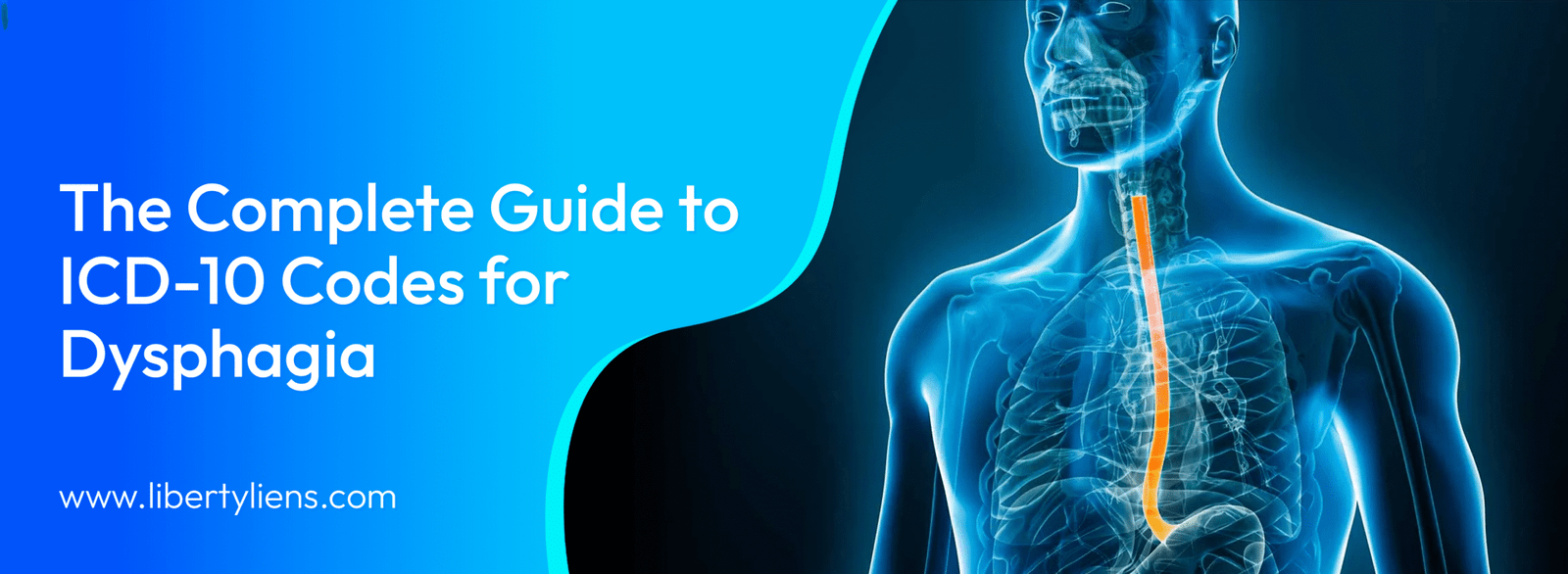
Dysphagia is not an independent condition. It signals an underlying issue such as a muscle disorder, nerve involvement, inflammation, or structural changes in the throat or esophagus. Swallowing involves four main parts: the mouth, throat, esophagus, and the area where the esophagus meets the stomach. Any change in how these areas work can lead to dysphagia.
Beyond its physical impact, dysphagia can affect overall quality of life. This makes early recognition and accurate documentation important so patients receive the right treatment and providers avoid delays in reimbursement.
Common Causes of Dysphagia
Although this guide focuses on ICD-10 dysphagia codes, understanding the cause helps improve documentation. Common reasons include:
- Stroke or other neurological disorders
- Muscle weakness
- Obstruction or narrowing of the esophagus
- Inflammation from infection or reflux
- Post-surgical changes
- Age-related muscle decline
- Food impaction
How to Diagnose Dysphagia ICD-10
Dysphagia diagnosis consists of a combination of patient history, physical examination, and clinical testing. These may include:
- Bedside swallowing assessment
- Videofluoroscopic swallow study
- Endoscopy
- Esophageal manometry
- Imaging studies
Once the type of dysphagia is identified. Selecting the correct ICD-10 code for dysphagia became easy.
Diagnostic Code for Dysphagia
Dysphagia diagnoses fall under the R13 category in ICD-10. These codes describe the specific phase of swallowing that is affected. When the provider cannot determine the exact type, the unspecified code R13.10 is used.
Although it is a valid code, it is less precise than other ICD-10 codes for dysphagia. When a more specific code is used, it helps keep claims accurate and clean.
Types of Dysphagia and Their ICD-10 Codes
Each type of dysphagia reflects a different phase of the swallowing process. Documenting the correct phase helps providers choose the right ICD-10 code and guides proper care.
| Type of Dysphagia | ICD-10 Code | What It Means |
| Oral Dysphagia | R13.11 | Difficulty in moving food within the mouth. Patients may struggle to chew, control the food bolus, or push it toward the back of the mouth to initiate swallowing. |
| Oropharyngeal Dysphagia | R13.12 | Trouble in moving food from the mouth into the throat. This is commonly linked to neurological disorders, leading to delayed swallowing, choking, or food entering the airway. |
| Pharyngeal Dysphagia | R13.13 | Swallowing becomes difficult once food reaches the throat. Patients may experience coughing, gagging, or the sensation that food is stuck due to impaired muscle coordination in the pharynx. |
| PharyngoesophagealDysphagia | R13.14 | Difficulty in transferring food from the throat into the upper esophagus. Often related to dysfunction of the upper esophageal sphincter or structural narrowing |
| Esophageal Dysphagia | R13.19 | Problem in moving food through the esophagus. This may be caused by acid reflux, strictures, spasms, or esophageal motility disorders that slow or block food passage. |
By understanding each dysphagia category and selecting the correct code, providers can describe swallowing difficulties more clearly. This clarity is important not only for diagnosis but also for how the condition is documented.
Tips to Avoid Mistakes in Dysphagia ICD-10 Coding
1.Confirm the Type of Dysphagia
Always check whether it is oropharyngeal, esophageal, or unspecified. The type guides the correct code.
2. Document the Cause Clearly
If dysphagia is related to stroke, neurological disorders, surgery, or trauma, make sure the diagnosis notes reflect it.
3.Avoid Using Unspecified Codes When Details Are Available
R13.10 should be used only when the type of dysphagia cannot be identified.
4.Stay Updated With Coding Guidelines
ICD-10 rules change yearly. Before coding, review the latest updates to avoid outdated code use.
Importance of ICD-10 Codes for Dysphagia
1.Supports Accurate Diagnosis and Treatment Plans
Correct dysphagia ICD-10 coding ensures that the type of dysphagia is clearly identified. This helps providers choose the right tests, treatments, and referrals based on the exact swallowing problem.
2.Improves Documentation and Care Coordination
ICD-10 codes for dysphagia create a consistent way to describe the patient’s condition across all clinical notes. This reduces confusion and allows primary care, specialists, and therapists to stay aligned in their care approach.
3.Helps Prevent Claim Denial and Delays
Precise dysphagia coding reduces the chance of claim denials caused by incomplete or unclear documentation. Clean codes support faster processing and more reliable reimbursement.
How Liberty Liens Supports Providers?
Dysphagia can result from neurological, structural, or acute events. It is commonly managed across Neurology, General Surgery, and Emergency Medicine, where documentation must be clear, fast, and accurate. Liberty Liens offers:
-
Medical billing and coding support
Our team ensures codes like R13.10, R13.12, and related symptom codes are used correctly to improve reimbursement.
-
Lien case management
We handle complex lien cases, especially for patients recovering from trauma, surgery, or neurological conditions.
Liberty Liens is here to assist with medical billing, coding, and claim denial prevention. Our goal is to help providers spend less time on paperwork and more time delivering care
Final Thought
Dysphagia can result from many underlying issues, which makes accurate ICD-10 coding essential for clear documentation and safe patient care. Understanding the differences between codes such as R13.10, R13.12, and R13.19 helps providers describe symptoms precisely and avoid billing errors that slow down treatment. When clinical details and coding stay aligned, dysphagia cases are managed more efficiently, supporting better outcomes and a more reliable workflow for healthcare teams.