Accidents can disrupt lives in an instant, leaving victims with physical injuries, emotional trauma, and overwhelming financial burdens. When these injuries result from someone else’s negligence, the law provides a pathway to compensation through personal injury claims. Understanding the types of personal injury cases helps injured individuals recognize their rights, evaluate their options, and pursue the support they need to recover fully.
This comprehensive guide explores the most common types of personal injury, explains the types of personal injury damages, and highlights why proper documentation, medical billing, and legal coordination are critical to successful outcomes.
What Are Personal Injury Cases?
Before exploring the many types of personal injury cases, it’s important to understand what legally defines a personal injury claim and why these cases exist in the first place.
Personal injury law, often referred to as tort law, allows an injured individual to seek financial compensation when harm occurs due to another party’s wrongful conduct. Unlike criminal cases, which are prosecuted by the government to punish offenders, personal injury cases are civil actions brought by private individuals who are seeking recovery for the losses they have suffered.
At the foundation of most personal injury cases is the principle of negligence. Negligence occurs when a person or entity fails to exercise the level of care that a reasonably prudent individual would use under similar circumstances.

Essential Elements of Personal Injury
To succeed in a personal injury claim, the injured party typically must demonstrate four essential elements.
Duty of Care
First, there must be a duty of care. This means the defendant had a legal responsibility to act in a reasonably safe manner. For example, drivers are expected to operate their vehicles safely, property owners must maintain safe premises, and healthcare providers are required to follow accepted medical standards.
Breach of Duty
Next comes a breach of that duty. A breach occurs when the defendant fails to meet their legal obligation through action or inaction. This may include running a red light, ignoring hazardous conditions in a public space, or a physician failing to properly diagnose a patient’s condition.
Causation
The third element is causation. The injured party must show that the defendant’s breach of duty directly caused the injury. In other words, there must be a clear and provable connection between the negligent behavior and the harm suffered.
Damages
Finally, damages must be present. A personal injury claim requires actual losses, which may include physical injuries, emotional distress, medical expenses, lost wages, or other measurable financial and non-financial harm.
While negligence forms the basis of most personal injury claims, not all cases follow this framework. Some types of personal injury cases involve strict liability, where fault does not need to be proven. This commonly applies in defective product cases, where a consumer is injured due to a dangerous or faulty product. Other claims involve intentional torts, such as assault or battery, where harm is caused deliberately rather than carelessly.
Personal injury cases may result in compensatory damages that cover medical bills, rehabilitation costs, and lost income, as well as non-economic damages for pain, suffering, and emotional distress. In situations involving particularly reckless or malicious conduct, courts may also award punitive damages to punish the wrongdoer and discourage similar behavior in the future.
For medical providers, personal injury cases often involve treating patients on a lien basis, meaning payment is deferred until the legal case is resolved. For attorneys, these cases require extensive evidence collection, accurate medical documentation, negotiation with insurance carriers, and, when necessary, litigation to secure fair compensation.
With this foundation in mind, it becomes easier to understand how personal injury law applies across a wide range of scenarios. Below, we explore the most common types of personal injury cases and how they impact injured individuals, healthcare providers, and legal professionals alike.
Most Common Types of Personal Injury Cases
The most common types of personal injury cases that cause damage are:
1. Motor Vehicle Accident Injuries

Motor vehicle accident injuries remain one of the most common reasons for personal injury claims. These cases arise from car crashes, motorcycle collisions, truck accidents, pedestrian impacts, and rideshare incidents. Victims frequently suffer from whiplash, broken bones, spinal cord injuries, soft tissue damage, and traumatic brain injuries. In severe cases, long-term rehabilitation or permanent disability may occur. Establishing liability, documenting medical treatment, and accurately tracking medical expenses are critical factors in these claims.
2. Motorcycle Accident Injuries

Motorcycle accidents often result in more severe injuries compared to standard vehicle accidents due to the lack of physical protection. Riders commonly experience road rash, fractures, head trauma, spinal injuries, and internal organ damage. Even with helmets, traumatic brain injuries are common. Insurance companies frequently attempt to undervalue these claims, making thorough medical documentation and future care projections essential.
If you’re interested, check out our blog on the benefits of outsourcing revenue cycle management (RCM)
3. Truck and Commercial Vehicle Injuries

Accidents involving semi-trucks, delivery vehicles, and other large commercial vehicles can cause catastrophic injuries due to their size and weight. Victims may suffer crush injuries, spinal cord damage, amputations, or fatal trauma. These cases often involve multiple liable parties, including drivers, trucking companies, and maintenance contractors. Proper medical billing and coding help ensure that the full extent of damages is captured.
4. Pedestrian and Bicycle Injuries

Pedestrians and cyclists are highly vulnerable when struck by motor vehicles. Common injuries include head trauma, pelvic fractures, internal bleeding, and severe orthopedic injuries. These cases often require emergency care, surgeries, and extended rehabilitation. Detailed medical records and diagnostic imaging play a crucial role in proving injury severity and long-term impact.
5. Slip and Fall Injuries

Slip and fall injuries occur when property owners fail to address hazardous conditions such as wet floors, icy walkways, or freshly mopped surfaces without warning signs. Victims may suffer sprains, broken hips, spinal injuries, or head trauma. Older adults are particularly vulnerable to serious complications. These cases depend heavily on proving unsafe property conditions and documenting medical treatment.
6. Trip and Fall Injuries

Trip and fall cases are different from slip and fall accidents and often involve hazards like uneven flooring, loose carpeting, broken stairs, or exposed cables. Injuries may include wrist fractures, knee injuries, facial trauma, and dental damage. Medical documentation is essential to demonstrate how the hazard caused the injury and the resulting treatment costs.
7. Medical Malpractice Injuries

Medical malpractice injuries are one of the most complex types of personal injury cases, it aries when healthcare providers fail to meet accepted standards of care. These cases may involve surgical errors, misdiagnosis, delayed diagnosis, anesthesia mistakes, or birth-related injuries. Victims often face worsening medical conditions, additional procedures, or permanent impairment. Accurate medical records, coding, and billing are vital to support these complex claims.
8. Surgical Error Injuries

Surgical errors include operating on the wrong body part, leaving surgical instruments inside the patient, or performing unnecessary procedures. These injuries can lead to infections, nerve damage, chronic pain, or death. Victims often require corrective surgeries and long-term care, increasing the value and complexity of the claim.
9. Misdiagnosis and Delayed Diagnosis Injuries

Misdiagnosis or delayed diagnosis of injuries occurs when a medical condition is incorrectly identified or not diagnosed in time. Common examples include cancer, heart conditions, and infections. Delayed treatment can allow conditions to worsen, leading to more invasive treatment, permanent damage, or death. These claims rely heavily on expert medical review and documentation.
10. Workplace Injuries

Workplace injuries can occur in offices, warehouses, factories, or industrial settings. Common injuries include falls, equipment-related injuries, repetitive stress injuries, and exposure to harmful substances. While workers’ compensation may apply, some cases involve third-party negligence, allowing additional personal injury claims.
11. Construction Site Injuries

Construction sites are among the most dangerous workplaces for workers. Injuries often result from falls from heights, falling objects, machinery accidents, scaffolding collapses, or electrical hazards. Victims may suffer spinal injuries, traumatic brain injuries, or amputations. These cases frequently involve multiple defendants and complex liability issues.
12. Product Liability Injuries
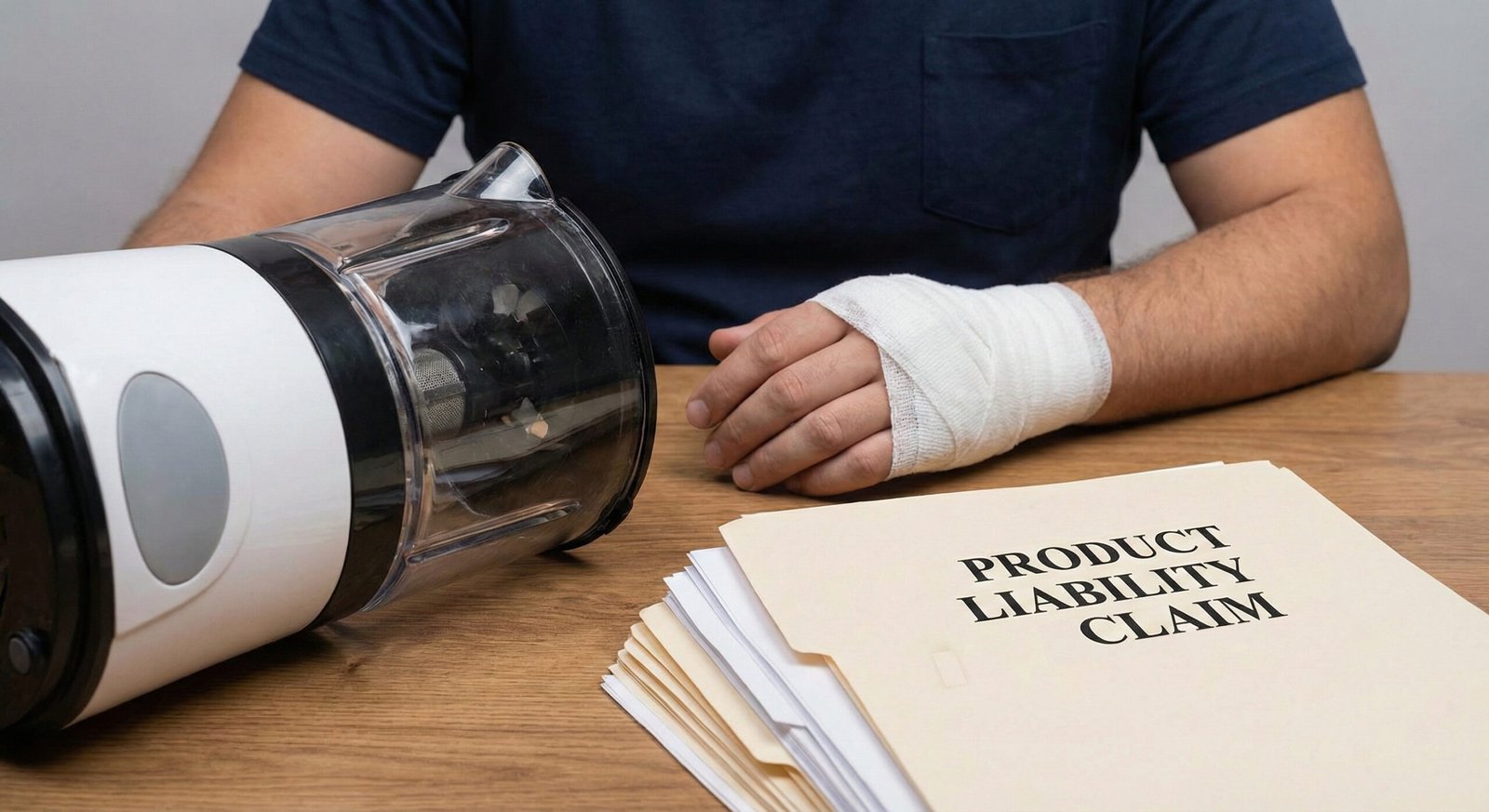
Product liability injuries occur when defective or unsafe products cause harm. These cases may involve manufacturing defects, design flaws, or inadequate warnings. Injuries can range from burns and lacerations to internal injuries and long-term health conditions. Manufacturers, distributors, and retailers may all be held accountable.
13. Defective Medical Device Injuries
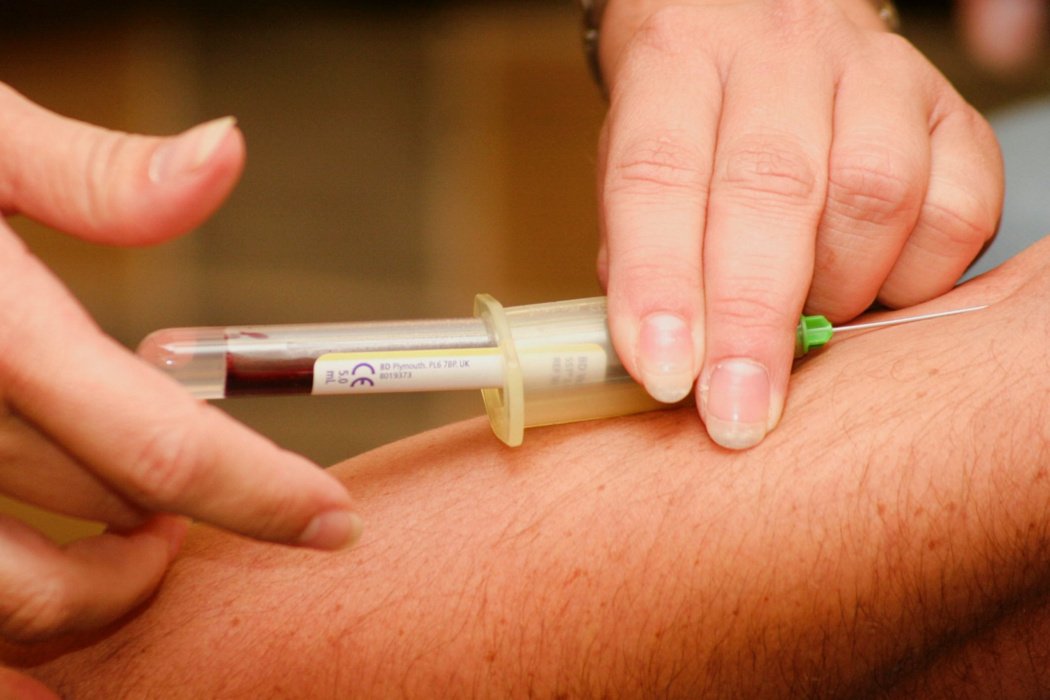
Defective medical devices such as implants, joint replacements, pacemakers, or surgical tools can fail and cause serious complications. Victims may require revision surgeries, prolonged treatment, or face permanent disability. Detailed medical billing and documentation are essential to support these high-value claims.
14. Pharmaceutical Drug Injuries

Pharmaceutical injury cases arise when medications cause unexpected harm due to defective manufacturing, improper labeling, contamination, or undisclosed side effects. Victims may experience organ damage, allergic reactions, or long-term health complications. Medical records must clearly establish causation between the drug and the injury.
15. Dog Bite and Animal Attack Injuries

Dog bites can cause n puncture wounds, results infections, nerve damage, scarring, and emotional trauma. Dog bite laws vary from one state to another. According to the jurisdiction, animal owners are strictly liable for medical expenses, lost wages, and pain and suffering caused by their pets.
16. Assault and Battery Injuries

Assault and battery injuries result from intentional acts of violence. Victims may suffer broken bones, head injuries, internal injuries, and emotional trauma such as PTSD. Victims of intentional acts of violence may pursue personal injury claims. These cases can proceed alongside criminal charges and often include claims for emotional distress and punitive damages.
17. Nursing Home Abuse and Neglect Injuries

Nursing home residents may suffer injuries due to neglect or abuse, including bedsores, dehydration, malnutrition, medication errors, falls, and emotional harm. These cases require careful documentation and often reveal systemic failures in care facilities.
18. Child Injury Cases

Children may be injured due to unsafe playground equipment, defective toys, school negligence, daycare abuse, or medical errors. Injuries may affect long-term development and quality of life. Claims often account for future medical care, therapy, and educational support.
19. Burn Injuries

Burn injuries can result from fires, explosions, chemical exposure, electrical accidents, or defective products. Victims often require skin grafts, multiple surgeries, and extensive rehabilitation. Burn injuries can cause permanent scarring and emotional trauma.
20. Spinal Cord Injuries

Spinal cord injuries are among the most severe personal injuries and may result in partial or complete paralysis. These injuries often require lifelong medical care, an assistive device, and home modifications. These types of injury cases carry substantial economic and non-economic damages
21. Traumatic Brain Injuries

Traumatic brain injuries may occur from falls, vehicle accidents, sports-related incidents, or assault. Symptoms may include memory loss, cognitive impairment, emotional changes, and chronic headaches. Even mild TBIs can have long-term cognitive and emotional effects, making proper documentation critical.
22. Wrongful Death Claims

Wrongful death cases arise when negligence results in a fatal injury. Surviving family members may seek compensation for medical expenses, funeral costs, lost income, loss of companionship, and emotional suffering. These cases require sensitive handling and comprehensive documentation.
Types of Damages in Personal Injury Cases
Regardless of the injury type, compensation typically falls into three categories.
- Economic damages cover measurable losses such as medical bills, rehabilitation costs, and lost wages.
- Non-economic damages address pain, suffering, emotional distress, and loss of enjoyment of life.
- In rare cases involving extreme negligence, punitive damages may be awarded to punish the responsible party.
Understanding these types of personal injury damages is essential to evaluating the true value of a claim.
Why Medical Billing and Coding Matter in Personal Injury Claims
Even the strongest claims can fail without accurate documentation. Errors in medical billing or medical coding can delay settlements, reduce compensation, or create disputes with insurers. That’s why specialized medical billing and medical coding services play a vital role in personal injury cases, ensuring every treatment and diagnosis is properly recorded and reimbursed.
Supporting Personal Injury Cases Beyond the Courtroom
In addition to billing and coding, effective lien management protects healthcare providers while supporting injured patients. Our Liberty Lien services offer free networking opportunities for individuals seeking experienced personal injury attorneys.
Whether you are a healthcare provider, legal professional, or someone injured due to negligence, having the right backend support can significantly impact the outcome of a case.
Final Thoughts
Understanding the wide range of types of personal injury cases empowers victims to take informed action after an accident. From motor vehicle collisions and medical malpractice to workplace injuries and wrongful death claims, each case type presents unique challenges that demand accurate documentation and professional support.
With expert medical billing, precise medical coding, and reliable lien services, personal injury claims can move forward efficiently, helping victims focus on healing while professionals handle the complexities behind the scenes.