In today’s healthcare environment, accurate coding is more important than ever. According to the Centers for Medicare & Medicaid Services, improper payments in Medicare alone exceeded $30 billion in recent years. At the same time, the American Medical Association reports that coding errors remain one of the leading causes of claim denials across outpatient services. For therapy providers, even small mistakes in code selection can lead to lost revenue and compliance risks.
One code that often creates confusion is CPT Code 97026. Used for infrared therapy, this code seems simple at first glance, but its coverage rules, documentation expectations, and payer limitations make it more complex than many providers expect. Whether you’re a physical therapist, chiropractor, or outpatient clinic administrator, understanding how and when to use this code is essential.
This guide breaks down CPT Code 97026 in a clear, practical way. You’ll learn what the code means, when to use it, how to document it correctly, and how to avoid common billing issues that impact reimbursement.
What Is CPT Code 97026 and What Does It Cover?
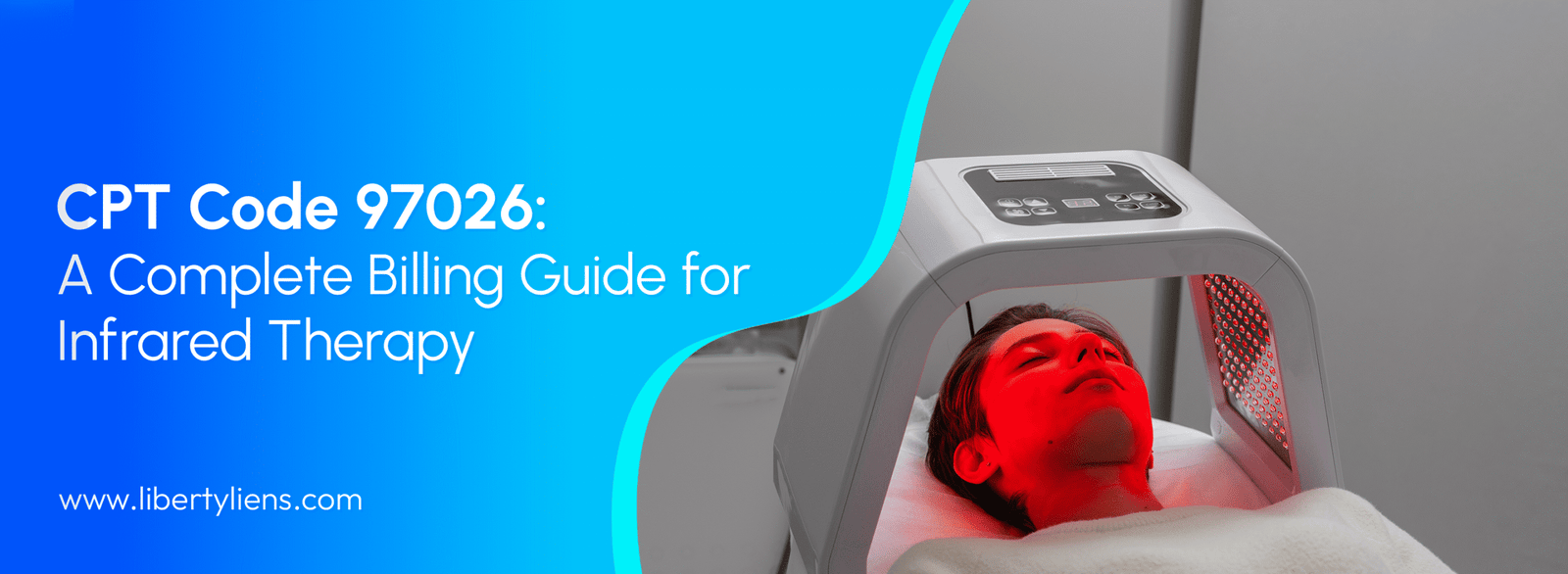
CPT Code 97026 refers to the application of infrared therapy to one or more areas of the body. This type of therapy uses light energy to create heat at the surface of the skin. The goal is to increase blood flow, relax muscles, and help reduce pain in targeted areas.
Infrared therapy is often used in outpatient rehabilitation settings. Providers may apply it before exercise or manual therapy to prepare tissues for movement. It can also be used to reduce stiffness and improve comfort during treatment sessions.
Unlike active therapy services, this code represents a passive modality. That means the patient is not actively participating in movement during the treatment. Because of this, many insurance payers evaluate the medical necessity of this code more strictly compared to exercise-based services.
From a medical coding perspective, 97026 is categorized under supervised modalities. This means the provider must ensure appropriate oversight during the treatment, but constant one-on-one contact is not always required.
It’s also important to understand that this code typically represents a single service per session, not a timed service like many therapeutic procedures. That distinction affects how it is billed and reimbursed.
While infrared therapy can support patient care, it is rarely considered a primary treatment. Instead, it works best as part of a broader care plan that includes active therapy aimed at improving function and mobility.
When Should Providers Use CPT Code 97026?
Providers should use CPT Code 97026 when infrared therapy plays a meaningful role in helping a patient reach functional goals. It is not enough to apply the modality for comfort alone. The treatment must support measurable improvement in the patient’s condition.
For example, a patient with limited shoulder mobility may benefit from infrared therapy before stretching exercises. The heat can help relax tight muscles, making it easier for the patient to participate in active therapy. In this case, the modality supports the overall plan of care and may be appropriate to bill.
Another example is a patient with muscle spasms that restrict movement. Infrared therapy may help reduce muscle tension so the patient can complete strengthening or mobility exercises more effectively.
However, providers should avoid using this code in situations where there is no clear connection to functional improvement. If the therapy is used only for general relaxation or temporary comfort, most payers will not consider it medically necessary.
Timing within the treatment session also matters. Infrared therapy is often used at the beginning of a visit to prepare tissues or at the end to help with recovery. In both cases, documentation should clearly explain why the modality was used and how it supports the patient’s progress.
Using this code appropriately requires clinical judgment. Providers must connect the therapy to patient goals, such as improved range of motion, reduced pain during movement, or better ability to perform daily activities.
Documentation Requirements for CPT Code 97026
Strong documentation is the foundation of accurate billing. When using CPT Code 97026, providers must clearly show why the therapy was necessary and how it contributed to patient care.
Start by identifying the specific body area treated. General statements are not enough. For example, instead of writing “infrared therapy applied,” document “infrared therapy applied to the right shoulder.”
Next, include the clinical reason for using the modality. This should connect directly to the patient’s condition and treatment goals. For instance, you might note that the therapy was used to reduce muscle tightness before therapeutic exercise.
It is also important to describe the treatment details, such as duration and type of equipment used. While the code is not time-based, many payers still expect to see how long the therapy was applied.
Providers should record the patient’s response to the treatment. Did the patient report less pain? Was there improved movement afterward? These details help support the value of the service.
From a medical billing perspective, incomplete documentation is one of the main reasons claims are denied. If the record does not clearly justify the service, payers are likely to reject the claim.
Consistency is key. The documentation should align with the overall plan of care and show how each session contributes to progress. Clear, detailed notes not only support reimbursement but also help protect providers during audits.
Coverage Guidelines and Payer Considerations
Coverage for CPT Code 97026 varies widely across payers, and understanding these differences is critical for avoiding payment issues.
Medicare has strict rules regarding infrared therapy. In many cases, it is considered that this modality is not reasonable or necessary for certain conditions, such as neuropathy or wound care. This means claims may be denied even if the service was provided correctly.
Commercial insurance plans may also limit coverage. Some classify infrared therapy as experimental or not medically necessary for general pain conditions. Others may allow it only when combined with active therapy and supported by strong documentation.
Because of these variations, providers should verify coverage before delivering the service. Checking payer policies can prevent unexpected denials and help set clear expectations for patients.
This is where denial management becomes important. When claims for 97026 are denied, providers need a process to review the reason, correct any issues, and resubmit if appropriate. Without a structured approach, repeated denials can impact revenue over time.
Another factor to consider is bundling. Some payers group certain modalities together, which can limit separate reimbursement. Providers must ensure that each billed service is distinct and properly documented.
Staying informed about payer rules is essential. Regular training and updates can help staff understand when to use this code and how to support it with proper documentation.
Common Billing Mistakes and How to Avoid Them
Many providers face challenges when billing CPT Code 97026, and small errors can lead to denied or reduced payments.
One common mistake is using the code without clear medical necessity. If the therapy is not tied to functional improvement, payers are likely to reject the claim. Always connect the service to patient goals and outcomes.
Another issue is incomplete documentation. Missing details about the treatment area, reason for therapy, or patient response can weaken the claim. Clear and thorough notes are essential for supporting reimbursement.
Providers also sometimes bill this code too frequently. Because infrared therapy is a passive modality, overuse can raise concerns with payers. It should be used only when it adds value to the treatment plan.
Accurate coding is another challenge. Confusing 97026 with other modalities or using it alongside similar services without proper justification can trigger denials. Staff should be trained to understand the differences between codes and when each one applies.
Effective revenue cycle management helps reduce these issues. By reviewing claims before submission, tracking denials, and improving processes, practices can protect their income and maintain compliance.
Education is one of the best tools for avoiding mistakes. Regular training sessions for clinical and billing staff can improve accuracy and reduce the risk of errors.
Conclusion
CPT Code 97026 may seem simple, but its proper use requires a clear understanding of clinical purpose, payer rules, and documentation standards. For U.S. healthcare providers, getting this right is essential for both patient care and financial stability.
Infrared therapy can support treatment when used appropriately, but it must always be tied to functional goals and supported by strong documentation. Without that connection, claims are likely to be denied, leading to lost revenue and added administrative work.
Accurate coding also plays a key role in maintaining compliance. Clear records and correct code selection help protect providers during audits and ensure that services are billed in line with payer expectations.
This is where a trusted partner like Liberty Liens can make a meaningful difference. By supporting providers with billing processes, handling claim issues, and improving overall financial workflows, Liberty Liens helps practices stay focused on patient care while maintaining steady revenue.