Accurate coding is important for proper reimbursement, compliance, and efficient healthcare operations. One commonly used rehabilitation code in outpatient therapy and physical medicine is CPT code 97112. Understanding when and how to use this code correctly can significantly impact claim approval rates and reduce billing errors.
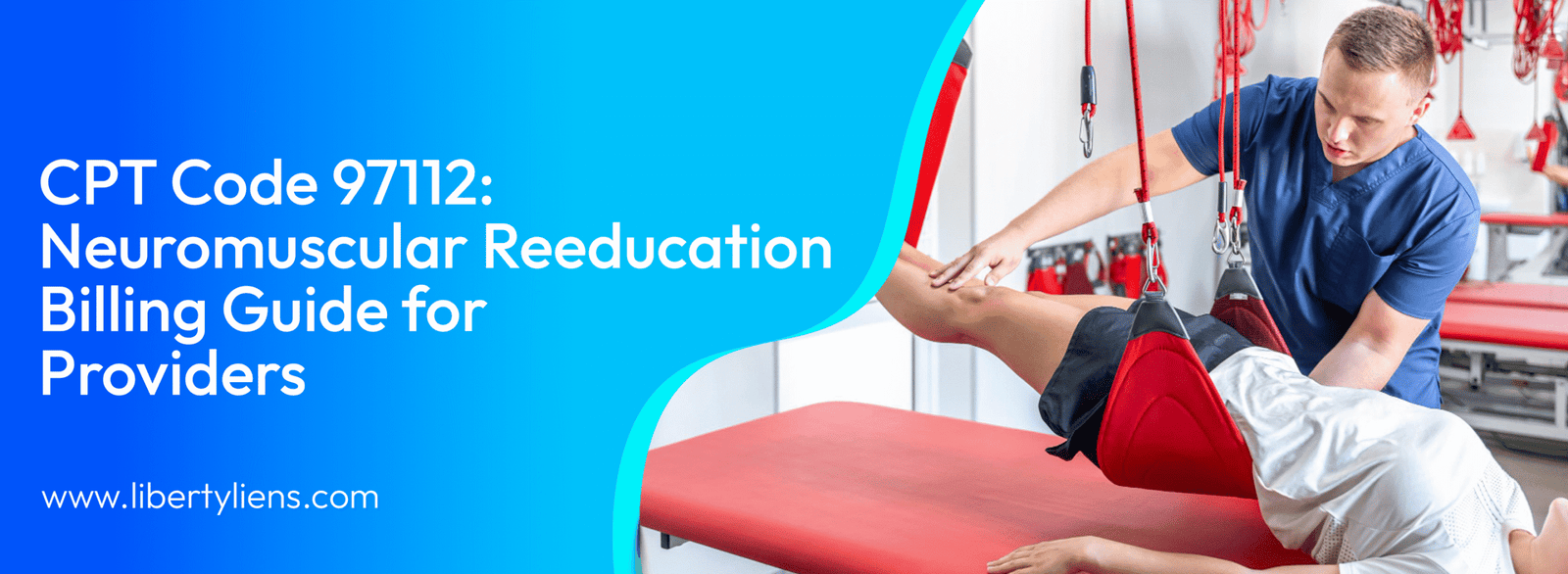
CPT code 97112 refers to neuromuscular reeducation, a therapeutic intervention used to restore normal movement patterns, balance, coordination, posture, and proprioception.
In the United States, rehabilitation services represent a substantial portion of outpatient medical billing. According to data from the American Physical Therapy Association (APTA), more than 50 million Americans receive physical therapy each year, and neuromuscular training techniques are a routine part of treatment plans. Proper coding ensures that these services are accurately documented and reimbursed.
For healthcare providers and the billing team, understanding the requirements and guidelines surrounding this code is essential. This article provides an in-depth explanation of the code, its clinical uses, billing rules, documentation standards, and common mistakes to avoid.
What Is CPT Code 97112?
Procedure code 97112 represents neuromuscular reeducation of movement, balance, coordination, kinesthetic sense, posture, and proprioception. It is used when healthcare providers perform therapeutic activities designed to restore the body’s ability to control movement and maintain stability.
Neuromuscular reeducation focuses on retraining the nervous system and muscles to work together efficiently. When injuries, neurological disorders, or surgeries disrupt normal movement patterns, patients may experience issues with coordination, balance, and muscle control. Through guided exercises and therapeutic activities, this therapy helps patients regain these abilities.
The medical code 97112 is considered a timed procedure, meaning billing is based on time spent providing direct, one-on-one therapy to the patient. Under Medicare and most private insurance guidelines, 97112 is billed in 15-minute increments. Providers must follow the 8-minute rule when determining the number of units billed.
Neuromuscular reeducation is typically used in rehabilitation settings such as:
- Outpatient physical therapy clinics
- Hospital-based rehabilitation departments
- Skilled nursing facilities
- Sports medicine centers
- Neurological rehabilitation programs
Common conditions requiring neuromuscular reeducation include:
- Stroke rehabilitation
- Traumatic brain injury recovery
- Multiple sclerosis
- Parkinson’s disease
- Post-surgical orthopedic recovery
- Vestibular disorders
- Balance impairments in older adults
For example, a patient recovering from a stroke may have difficulty maintaining balance or coordinating limb movements. A therapist might use specific exercises like weight-shifting, balance board training, or proprioceptive drills to retrain the patient’s neuromuscular system.
Because these interventions require skilled therapeutic guidance, they qualify for reimbursement under procedure code 97112 when properly documented and medically necessary.
Clinical Description of Neuromuscular Reeducation
Neuromuscular reeducation of movement, balance, coordination, kinesthetic sense, posture, and/or proprioception for sitting and/or standing activities, each 15 minutes.
This definition highlights the main goal of the therapy: restoring or improving neuromuscular function so patients can perform everyday movements safely and effectively.
Medical Specialties That Use CPT Code 97112
Several rehabilitation-focused healthcare professionals commonly bill this code, including:
- Physical therapists (PTs)
- Occupational therapists (OTs)
- Physical therapist assistants (under supervision)
- Occupational therapy assistants (under supervision)
- Rehabilitation physicians (in certain clinical settings)
Among these, physical therapists are the most frequent users of neuromuscular reeducation codes because balance and coordination training are core components of many PT treatment plans.
Clinical Scenarios Where This Code Applies
Neuromuscular reeducation is typically used when patients require improved motor control and movement coordination. Common therapy activities may include:
Balance training
Patients practice maintaining stability while standing, walking, or performing functional movements.
Proprioceptive training
Exercises that improve awareness of body position in space, such as using balance boards or unstable surfaces.
Postural correction
Therapists guide patients in maintaining proper posture during sitting, standing, and movement.
Movement pattern retraining
Patients relearn proper movement mechanics after injury or surgery.
Vestibular rehabilitation
Therapy addressing dizziness and balance problems caused by inner ear disorders.
Examples of Therapy Activities
Some typical neuromuscular reeducation interventions include:
- Weight-shifting exercises
- Gait training focused on coordination
- Balance board or BOSU training
- Single-leg stance activities
- Eye-head coordination drills
- Postural alignment exercises
- Dynamic stabilization training
These activities require clinical expertise and active supervision by a qualified therapist. Passive activities or unsupervised exercises typically do not qualify for billing under this code.
In practice, healthcare providers should always ensure the therapy is skilled, medically necessary, and individualized to the patient’s condition
Correct billing practices are essential for avoiding claim denials and maintaining compliance with payer policies.
Billing Guidelines for CPT Code 97112
Correct medical billing practices are essential for avoiding claim denials and maintaining compliance with payer policies
Timed Code Rules
97112 CPT code is classified as a timed therapy code, meaning reimbursement depends on the amount of time spent providing direct patient care.
Most insurers, including Medicare, follow the 8-minute rule:
| Total Treatment Time | Billable Units |
| 8–22 minutes | 1 unit |
| 23–37 minutes | 2 units |
| 38–52 minutes | 3 units |
| 53–67 minutes | 4 units |
Providers must document actual treatment time, not simply the scheduled session length.
Medical Necessity
Insurance payers require proof that neuromuscular reeducation is medically necessary for the patient’s condition.
Documentation should demonstrate:
- A functional impairment related to neuromuscular control
- A clear treatment plan
- Measurable goals
- Evidence of progress during therapy
Without sufficient documentation, claims may be denied or audited.
Documentation Requirements for Procedure Code
Proper documentation is critical when billing the 97112 procedure code. Clinical notes should include:
- The specific neuromuscular deficits being treated
- Detailed description of therapy activities
- Amount of time spent on neuromuscular reeducation
- Patient response to treatment
- Progress toward functional goals
For example, instead of writing balance training performed, documentation should specify:
Patient performed single-leg stance balance training on an unstable surface for 10 minutes with therapist guidance to improve postural stability.
Clear documentation helps justify the skilled nature of the service.
Commonly Used Modifiers
Certain modifiers may be required when billing therapy services.
GP Modifier
Used when services are delivered under a physical therapy plan of care.
GO Modifier
Used when services are provided under an occupational therapy plan of care.
Modifier 59 (or X modifiers)
Indicates a distinct procedural service when multiple therapy codes are billed in the same session.
Modifier KX
Used when therapy services exceed Medicare’s therapy threshold but remain medically necessary.
Correct modifier use ensures compliance and reduces claim rejections.
Common Billing Mistakes Providers Should Avoid
Even experienced providers sometimes encounter billing issues when using 97112 CPT code. Understanding common mistakes can help prevent claim denials and compliance problems.
1. Confusing Neuromuscular Reeducation with Therapeutic Exercise
One of the most frequent errors is mixing up CPT code 97112 with CPT code 97110 (therapeutic exercise).
While both involve exercise, the purpose is different:
- 97110 focuses on strength, flexibility, and endurance.
- 97112 focuses on coordination, balance, and neuromuscular control.
For example:
- Resistance band strengthening → 97110
- Balance board training → 97112
Using the wrong code can result in inaccurate billing.
2. Insufficient Documentation
Incomplete or vague documentation is a major cause of claim denials.
Common documentation issues include:
- Not specifying therapy techniques
- Missing treatment time
- Lack of measurable treatment goals
- No evidence of patient improvement
Detailed therapy notes help support medical necessity and protect against audits.
3. Billing Without Skilled Therapist Involvement
Neuromuscular reeducation requires direct therapist involvement. Submitting Claim for activities that do not require professional supervision may be considered inappropriate.
Examples that may not qualify:
- Independent exercise without therapist guidance
- Passive modalities
- Non-skilled activities
Payers expect clear evidence that the therapist’s expertise was required.
4. Incorrect Unit Calculation
Errors in applying the 8-minute rule can lead to incorrect billing units.
For example:
- 20 minutes of therapy = 1 unit, not 2 units
- 30 minutes of therapy = 2 units
Accurate time tracking is essential for compliance.
5. Not Linking the Code to the Correct Diagnosis
Insurance payers require the CPT code to be supported by an appropriate ICD-10 diagnosis code.
For instance, neuromuscular reeducation is commonly linked to diagnoses such as:
- Balance disorders
- Neurological impairments
- Post-stroke motor deficits
- Vestibular dysfunction
If the diagnosis does not justify the therapy, the claim may be rejected.
Tips for Accurate Claim Submission
To improve reimbursement success:
- Ensure therapy goals are functional and measurable
- Document exact treatment time
- Use specific descriptions of neuromuscular activities
- Verify payer-specific policies
- Perform regular internal coding audits
These practices help healthcare organizations maintain compliance while optimizing revenue cycle performance.
Conclusion
Neuromuscular rehabilitation plays a crucial role in restoring movement, balance, and coordination for patients recovering from injury or neurological conditions. Proper use of CPT code 97112 allows healthcare providers to accurately bill for these specialized therapy services.
For physical therapists, occupational therapists, and medical billing professionals, understanding this code’s definition, billing rules, and documentation requirements is essential. Accurate coding ensures appropriate reimbursement, reduces claim denials, and supports compliance with U.S. healthcare regulations.
By following correct billing guidelines, maintaining detailed documentation, and avoiding common coding mistakes, providers can confidently use this code in rehabilitation practice while delivering high-quality patient care.