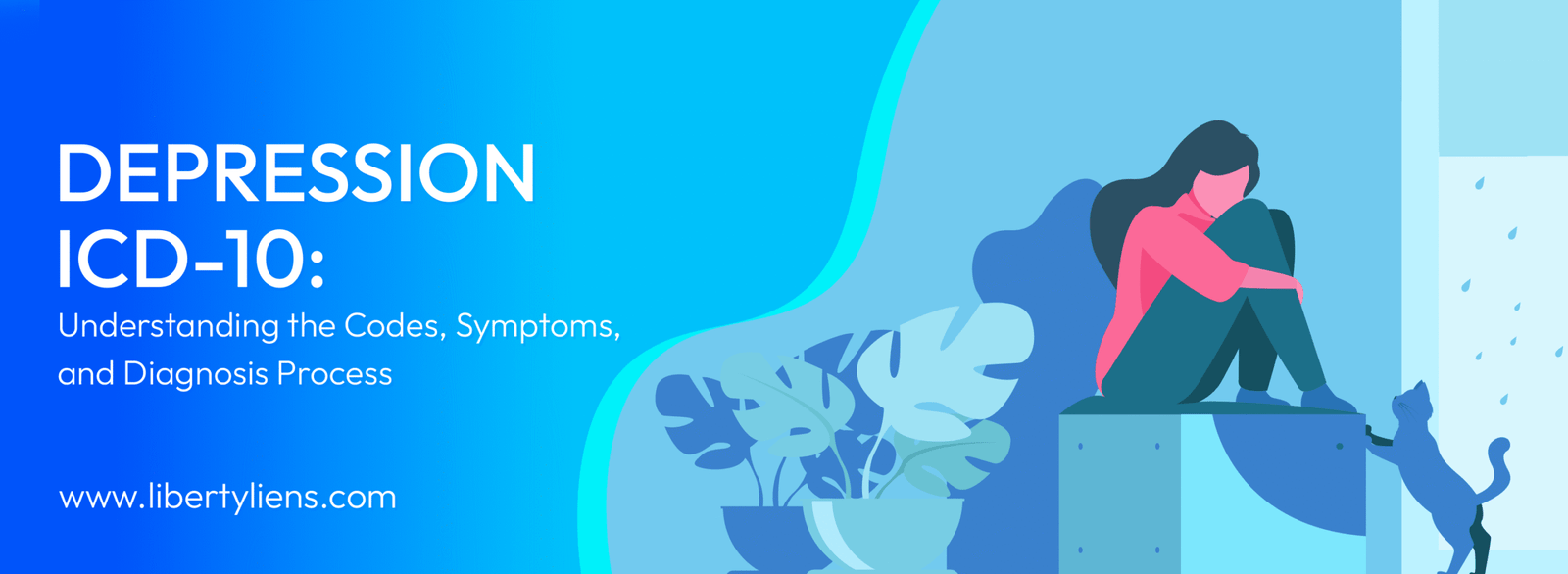
Depression is more than just persistent sadness. It is a serious mental health condition that affects how a person feels, thinks, and functions in daily life. Depression is the most common mental health condition affecting millions of people every year. Accurate diagnosis is important for proper treatment. That’s where the ICD-10 classification system comes in. But what exactly is ICD-10 depression, and how is it defined?
In this blog, we’ll explore how depression is classified under ICD-10, what each code represents, the key symptoms to look for, and the diagnostic process mental health professionals follow. Whether you’re a healthcare provider, student, or someone seeking clarity, this guide will help you make sense of the coding behind depression.
Before diving into the depression code for ICD-10, let’s understand what depression is.
What is Depression?
Depression is a serious mental health condition that extends far beyond occasional sadness or mood changes. Clinically known as Major Depressive Disorder (MDD) or a Depressive episode, it involves a persistent low mood and loss of interest in daily activities. Individuals may experience fatigue, poor concentration, sleep disturbances, appetite changes, and feelings of hopelessness or worthlessness. In severe cases, thoughts of death or suicide may occur. Unlike temporary emotional distress, depression is a long-lasting condition that affects thoughts, emotions, and physical health, and it arises independently of other medical illnesses or the influence of medication.
What is ICD-10 Depression?
ICD-10 depression refers to how depression is categorized within the International Classification of Diseases, 10th Revision (ICD-10), a globally recognized system used by healthcare providers for diagnosing and recording medical conditions. This coding framework enables clinicians to accurately identify the type and severity of depression, ensuring proper documentation, treatment planning, and insurance billing.
Under ICD-10, depression is primarily classified into two main categories:
- Depressive Episode (F32): Represents a single episode of depression.
- Recurrent Depressive Disorder (F33): Indicates multiple depressive episodes occurring over time.
Using precise ICD-10 codes for depression allows healthcare professionals to maintain consistent records, support accurate medical billing and coding, and enhance communication across care teams. For patients, these codes clarify their diagnosis and help them understand the nature and seriousness of their condition, which ultimately leads to more effective treatment, better follow-up care, and improved overall mental health outcomes.
ICD-10 Codes Corresponding to Depression
A key part of understanding ICD-10 depression is knowing which code is used for each type and severity level. These codes are used in medical billing, research, and insurance documentation.
The table below provides a clear mapping.
| ICD-10 Code | Type of Depression | Severity | Description |
| F32.0 | Depressive Episode | Mild | Noticeable sadness, loss of interest, and fatigue, but the person can function relatively normally in daily activities. |
| F32.1 | Depressive Episode | Moderate | More intense depressive symptoms that significantly affect work, relationships, and routine responsibilities. |
| F32.2 | Depressive Episode | Severe without psychotic symptoms | Intense and persistent depressive symptoms causing marked impairment in functioning, without delusions or hallucinations. |
| F32.3 | Depressive Episode | Severe with psychotic symptoms | Severe depressive episode accompanied by psychotic features such as delusions or hallucinations |
| F32.8 | Depressive Episode | Other specified | Atypical or mixed depressive states that don’t fit standard categories, but meet criteria for a depressive disorder |
| F32.9 | Depressive Episode | Unspecified | Depression diagnosis not otherwise specified due to insufficient details in documentation. |
|
F33.0 |
Recurrent Depressive Disorder | Mild | Two or more episodes of mild depression, with periods of recovery in between. Daily functioning is usually maintained. |
| F33.1 | Recurrent Depressive Disorder | Moderate | Repeated depressive episodes with moderate severity may cause consistent disruptions in normal social or work life. |
| F33.2 | Recurrent Depressive Disorder | Severe without psychotic symptoms | Multiple severe depressive episodes causing significant distress and impairment, but without psychosis. |
| F33.3 | Recurrent Depressive Disorder | Severe with psychotic symptoms | Recurrent severe depression with psychotic features such as delusions, hallucinations, or loss of reality testing. |
| F33.8 | Recurrent Depressive Disorder | Other specified | Other recurrent depressive presentations that don’t fit typical patterns, including atypical or mixed forms. |
| F33.9 | Recurrent Depressive Disorder | Unspecified | Used when clinical documentation lacks sufficient detail |
Depression and Anxiety ICD-10: Understand the Connection
Depression and anxiety are two of the most common mental health conditions, and they often occur together. Many individuals diagnosed with depression also experience symptoms of anxiety, such as constant worry or restlessness.
Both disorders affect the brain’s ability to manage stress and regulate mood. When key brain chemicals like serotonin and dopamine become imbalanced, it can lead to persistent feelings of sadness, fear, and tension. These overlapping conditions can significantly impact daily life, concentration, and relationships.
Recognizing the shared signs of depression and anxiety is essential for accurate diagnosis, effective treatment, and proper documentation in medical billing and coding.
Common Symptoms of Depression
According to ICD-10, depression typically presents with a combination of the following symptoms lasting two weeks or longer:
- Persistent sadness or emptiness
- Loss of interest in daily activities
- Fatigue or lack of energy
- Poor concentration or decision-making
- Sleep disturbances (insomnia or oversleeping)
- Appetite or weight changes
- Feelings of guilt or hopelessness
- Thoughts of death or suicide
Accurate identification and documentation of these symptoms are critical for diagnosis, medical billing and coding, and reimbursement.
Common Symptoms of Anxiety
According to ICD-10, anxiety is typically present with a combination of the following symptoms for at least six months.
- Difficulty in breathing
- Feeling of choking
- Chest pain or discomfort
- Nausea or abdominal distress
- Feeling dizzy
- Fear of losing control, passing out, or dying
- Numbness or tingling sensation
Accurate identification and documentation of these symptoms are critical for diagnosis, medical billing and coding, and reimbursement.
ICD-10 CODES for Anxiety
Anxiety disorders are among the most common mental health conditions and often appear alongside depression.
| ICD-10 Code | Type of Anxiety Disorder | Description |
| F41.0 | Panic Disorder | Characterized by sudden, recurrent panic attacks with symptoms like palpitations, trembling, or shortness of breath. |
| F41.1 | Generalized Anxiety Disorder (GAD) | Persistent and excessive worry about everyday situations such as work, health, or finances lasting for six months or more. |
| F41.8 | Mixed Anxiety and Depressive Disorder | Used when both anxiety and depressive symptoms are present, but neither dominates. Commonly used for “depression with anxiety ICD-10. |
| F41.9 | Anxiety Disorder, Unspecified | Used when symptoms of anxiety are present, but documentation does not specify the exact type of anxiety. Common in initial evaluations. |
Accurate use of ICD-10 codes for anxiety is essential for proper diagnosis, effective treatment planning. Using the correct code also helps reduce claim denials and ensures smoother workers’ compensation.
How to Diagnose Depression ICD-10
Diagnosing depression, ICD-10 involves a comprehensive evaluation of both mental and physical health. Healthcare professionals use a combination of clinical interviews, medical tests, and diagnostic criteria to determine the type and severity of depression accurately.
Psychiatric Evaluation
The process begins with a detailed psychiatric assessment. Your healthcare provider will ask about your emotions, thoughts, behaviors, and daily functioning. You may also be asked to complete a questionnaire or rating scale designed to measure depression symptoms. This helps identify patterns such as persistent sadness, loss of interest, fatigue, or changes in sleep and appetite, all key indicators used in the ICD-10 depression diagnosis.
Medical History Review
Next, your doctor will review your overall medical history to rule out other health conditions that might mimic depression symptoms. For instance, a thyroid disorder or vitamin deficiency can cause mood changes similar to those seen in depression. Basic lab tests, such as a complete blood count or thyroid panel, may be recommended to ensure an accurate diagnosis
Diagnostic and Statistical Manual of Mental Disorders (DSM-5)
In addition to ICD-10 guidelines, health professionals also reference the Diagnostic and Statistical Manual of Mental Disorders (DSM-5), published by the American Psychiatric Association. The DSM-5 outlines specific criteria that must be met for a formal depression diagnosis, including symptom duration, severity, and impact on daily life.
Why Accurate ICD-10 Coding for Depression Matters
Accuracy in depression coding goes far beyond billing; it safeguards clinical, financial, and legal integrity.
Proper Reimbursement and Claim Management
Correct codes ensure claims are paid promptly and accurately. Errors can lead to claim denials or underpayments, hurting revenue and cash flow.
Better Treatment and Clinical Outcomes
Accurate coding helps match patients with the right treatments; for example, distinguishing mild from severe depression can change medication dosage or therapy intensity.
Legal and Compliance Protection
Precise documentation protects providers in lien-based and workers’ compensation cases, reducing audit risk and supporting defensible records.
Reliable Data and Reporting
Specific ICD-10 depression codes support better mental health research, reporting, and public health planning
Conclusion
Understanding the ICD-10 codes for depression is crucial for both healthcare providers and billing professionals. Each code, whether it’s F32.0 for mild depression, F33.1 for recurrent moderate depression, or F41.8 for mixed anxiety and depressive disorder, tells a detailed story about the patient’s condition and level of care.
Accurate documentation doesn’t just support proper diagnosis and treatment; it also helps avoid claim denials, ensures smoother medical billing and coding, and improves payment turnaround during workers’ compensation AR follow-ups.
When depression ICD-10 codes are used correctly, it becomes a vital bridge between clinical accuracy and financial stability.